
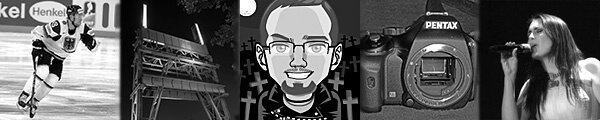


Everything was set for Metallica, Part 2. Thanks to Pantera, the atmosphere was already at boiling point, and waves of La Ola rolled through the stadium. Just like on Friday, the band kept the crowd waiting, and only around 20:50. did the familiar songs “It’s A Long Way To The Top (If You Wanna Rock ’N’ Roll)” and “The Ecstasy Of Gold” ring out once again. These were the only two songs played on both days. Then, with “Whiplash” from their 1983 debut “Kill ’Em All”, the wild ride through 45 years of band history began.
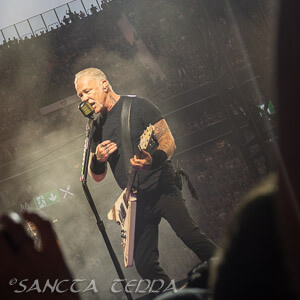
Next up on the program at Deutsche Bank Arena in Frankfurt was Pantera. Because singer Phil Anselmo is known for performing barefoot, the crew first rolled out a whole collection of carpets across the stage. Right on time at 19:00, the sounds of “Regular People” and “In Heaven (Lady in the Radiator Song)” began to play, accompanied by a slideshow of photos of the band members from all eras of their now 45‑year, very turbulent history.
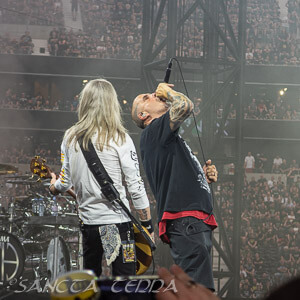
A day of rest after the spectacular start to the No‑Repeat Weekend was welcome, especially since Sunday was still extremely warm. Everyone was eager to see whether this day could surpass the previous one. At the very least, the atmosphere was noticeably better from the start compared to Friday, when the crowd had been much more reserved during the opening acts. This time, Avatar were able to enter the ring of the 360° stage in front of a stadium already about two‑thirds full.
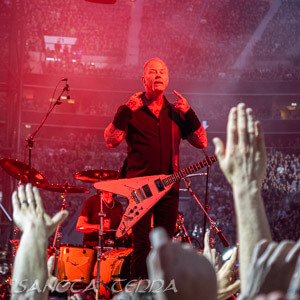
The evening moved on. Metallica had posted the timelines for each show on the day of the performance, announcing that after the changeover following Gojira’s set, the four guys from San Francisco would take the stage at 20:30. But at first, they took their time. By now, the stands were filled to the very last seat, and every time a song from the PA ended, the crowd erupted in cheers, only for that excitement to be abruptly cut off when the next track from the speakers began. But at 20:50., with a 20‑minute delay, the first riffs of their walk‑on music finally rang out: AC/DC’s “It’s A Long Way To The Top (If You Wanna Rock ’N’ Roll),” followed by “The Ecstasy Of Gold.”
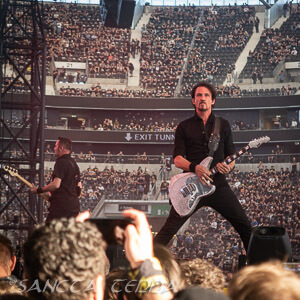
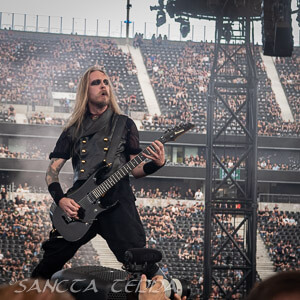
The sun slowly began to set, bathing the stage in a dazzling, glaring light as Gojira entered. Brothers Joseph and Mario Duplantier stepped into the ring together with their bandmates Christian Andreu and Jean‑Michel Labadie. With the opener “Born For One Thing” from their latest album “Fortitude” (even if it already has five years under its belt), the sound hadn’t improved much. The technical riffs were still somewhat difficult to make out. But from song to song, and as the stadium filled up, this problem gradually faded.
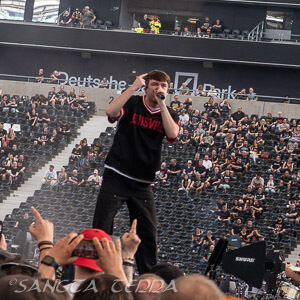
Metallica continued their M72 Tour, which began in 2024, and the first stop in Germany was set to be Deutsche Bank Park at Frankfurt. Not just with a simple show, but as a so‑called No‑Repeat Weekend. Besides Frankfurt, this only happened in three other locations on the tour, and right on time for Friday, the weather improved significantly. So much, in fact, that it became extremely hot and sweaty.
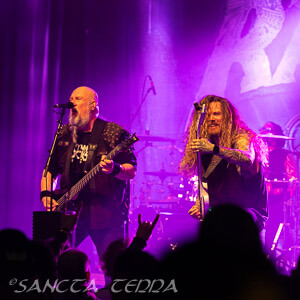
The festival was slowly but surely coming to an end. But not before Rage took the stage. Compared to the other bands of the day, they were in a completely different league. Rage have been touring the stages of the world for 40 years now, and on this night they were the ones to close the show. The lineup has changed many times over the decades, with only Peter “Peavy” Wagner remaining as the constant. Joining him this evening were guitarist Jean Bormann and drummer Vassilios “Lucky” Maniatopoulos.
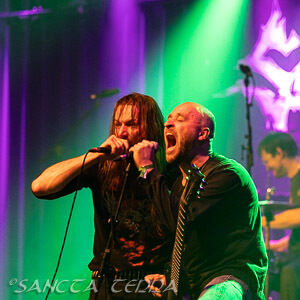
A large crowd gathered in front of the stage for Scalpture, the biggest audience of the day so far, eager to witness the five musicians from Bielefeld. They didn’t waste any time and kicked things off at full speed with “The Fall…” from their current album "Landkrieg". Once again, death metal was on the menu — though in a noticeably different flavor than the genre’s earlier representatives that day. On top of that, their sheer, unrestrained energy made a huge impact as they constantly stormed across the stage.
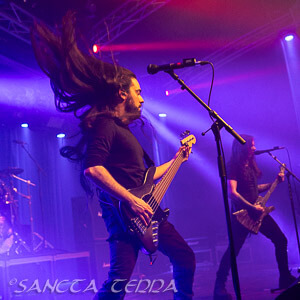
After the musicians of Symbtomy, Kozoria had the second-longest journey of the day. The sound remained heavy, but the musical direction shifted. The four guys from France brought more melodic riffs and occasional clean vocals back to the stage. Combined with some synth elements, this created a truly tasty mix that definitely didn’t leave the audience cold. To me, it felt like a blend of Gojira with hints of Children of Bodom.
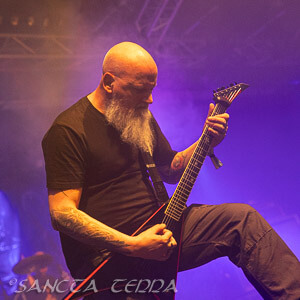
Another death metal act was up next, and once again they came from the Netherlands. Having invited Rotting Demise and Symbtomy earlier in the day, it was now Necrotesque’s turn to show what they were capable of. Compared to the previous bands, they can look back on the shortest band history. The four Dutch musicians only formed in 2021, yet they have already released one full-length album and several EPs.